
Why are there different types of oils?
We explain all the types of olive oil.
Olive oil is a fundamental ingredient in Mediterranean cuisine, especially in Spain, where its use dates back centuries. However, not all types of olive oil are the same.
From Deortegas, we will explore why there are different types of olive oils and which are the most relevant in the market.
Why are there different types of olive oil?
The reason for the existence of different types of olive oil is due to factors such as the variety and quality of the olives and the extraction process. The result will determine the quality of the final product and its category.
In Spain, there are more than 260 cataloged varieties of olives, each with unique characteristics that express the flavor and aroma of the oil, typical of its character. For example, Picual olives are known for their pungency and herbaceous notes, while Arbequina olives tend to be smoother and fruitier.
In addition, the climate and soil in which the olives are grown influence the organoleptic properties of the oil. Growing conditions, such as the amount of sun and the quality of the water, also play a crucial role in the profile of the oil obtained.
Legislation also establishes standards for classifying different olive oils according to their quality.
The European Union and other regulatory bodies have defined criteria that help consumers identify oils that meet specific standards.
This allows consumers, when shopping, to choose from various options, each with its own characteristics, although there is still a lot of confusion and little information about this.
What are the different types of olive oil?
There are several types of olive oil, and each one is suitable for different uses and culinary preferences. The most prominent are presented below.
Extra virgin olive oil
This is the king of olive oils. It is an olive juice obtained in an oil mill from healthy olives and extracted by mechanical methods, without the use of chemical products. Extra virgin olive oil has a maximum acidity of 0.8% and is characterized by its benefits, flavor, and aroma. Although high-quality EVOOs have an acidity of around 0.1%-0.2%.
It is ideal for cooking, dressing salads, preparing sauces, or simply enjoying raw. Its high quality makes it a preferred choice among chefs and cooking enthusiasts.
Organic extra virgin olive oil
Same as extra virgin, but in addition, the fruits come from environmentally friendly agriculture without the use of agrochemicals. Without a doubt, the most recommended.
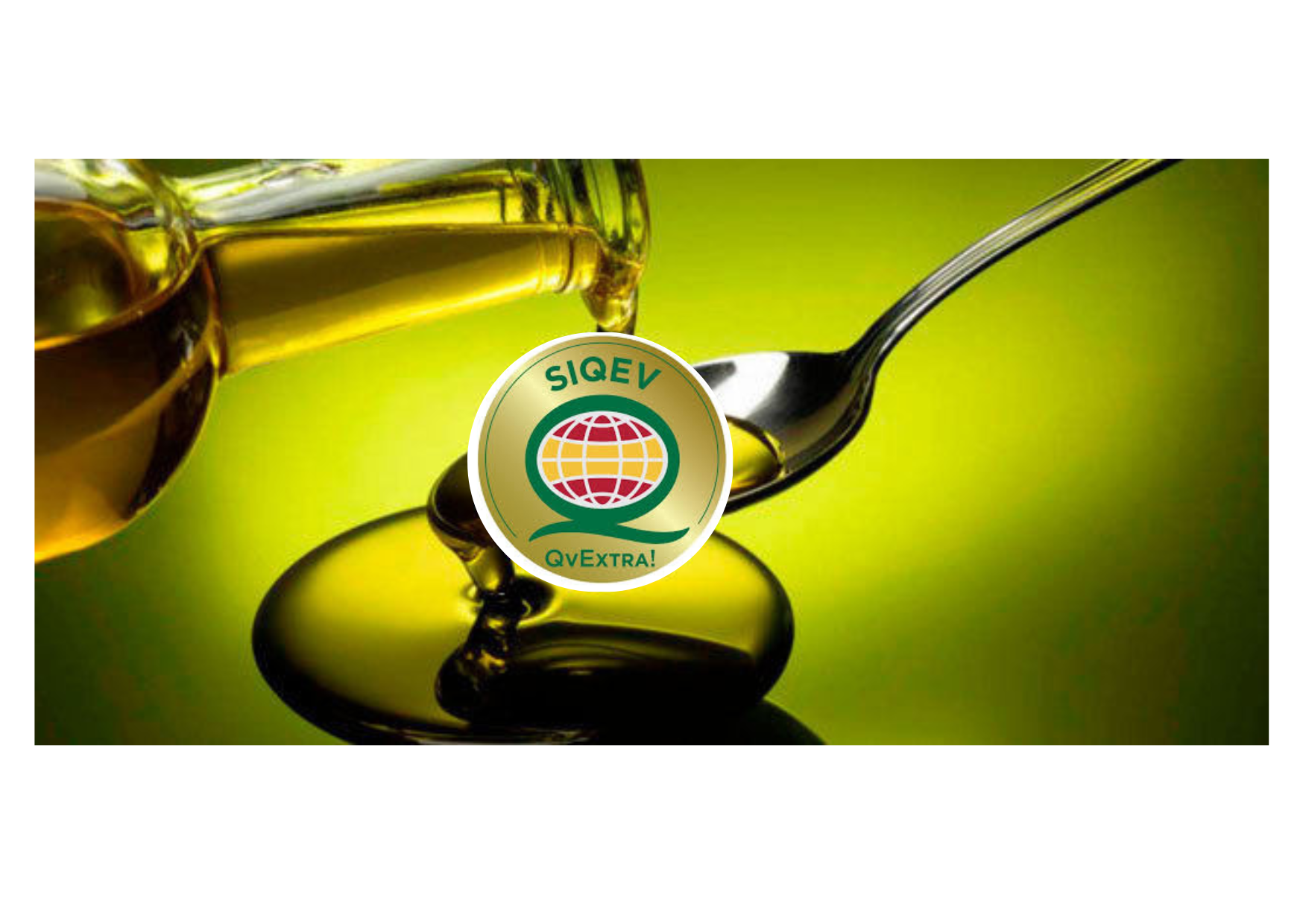
Extra virgin olive oil with SIQUEV seal

EVOOs labeled with this seal are the highest quality oils, the most high-end, as they have had to pass more demanding quality parameters than the extra virgins themselves. You can see this seal on Deortegas organic oils, and it is important to mention it and for consumers to know about it.
Virgin olive oil
Similar to extra virgin, virgin olive oil also comes from an oil mill and is obtained from olives through mechanical processes. However, it can have an acidity of up to 2% and present slight defects in flavor and aroma, which is why the official tasting panel and the laboratory classify it as virgin, due to not meeting the parameters established for the extra virgin category. This oil can be used for cooking over medium heat or for frying, although it does not have the same intensity and flavor definition as extra virgin.
Olive oil
This type is produced in a refinery, not an oil mill, from a mixture of refined and virgin oils. The refining process neutralizes this fat through chemical processes, so a large part of the flavors and nutrients are lost. Olive oil is evidently cheaper and is commonly used for frying and cooking, but it does not have the advantages and benefits of extra virgin.
In conclusion, when exploring the types of olive oil, it is important to consider the intended use and desired characteristics.
From exquisite extra virgin olive oil, perfect for enhancing flavors, to more economical oils, each type has its place in the kitchen. Ultimately, choosing the right oil can make a difference in the outcome of our dishes, making every meal a delicious experience.
Discover the excellence of Deortegas organic extra virgin olive oil. Visit our online store, enjoy our products and free shipping on orders over €60! Place your order today and savor the quality in every drop!