
Varieties of extra virgin olive oil, curiosities and examples
Extra virgin olive oil is the most prized and unique of oils. Its unique characteristics and properties depend on climatic qualities, the terrain where the olives come from, the variety of olive used, care during harvesting and transportation, the extraction method, the art of the mill master, and its subsequent preservation.
From Almazara Deortegas we want to introduce you to the main varieties of olive oil that we produce, some of their curiosities, and what makes each of these extra virgins stand out.
So get ready, because we will take a tour through the richness and diversity of this liquid gold.
What are extra virgin olive oil varieties?
The varieties of extra virgin olive oil come from different
varieties of olive trees that produce olives with different characteristics and nuances.
In Spain alone, there are over 260 cataloged varieties. At Almazara Deortegas, we are committed to valuing monovarietals, meaning we produce EVOO from each of the varieties we cultivate: Arbequina, Picual, Cornicabra, Hojiblanca, Frantoio, and the new SEXTA ESENCIA, a signature Coupage, the only one where we combine different varieties.
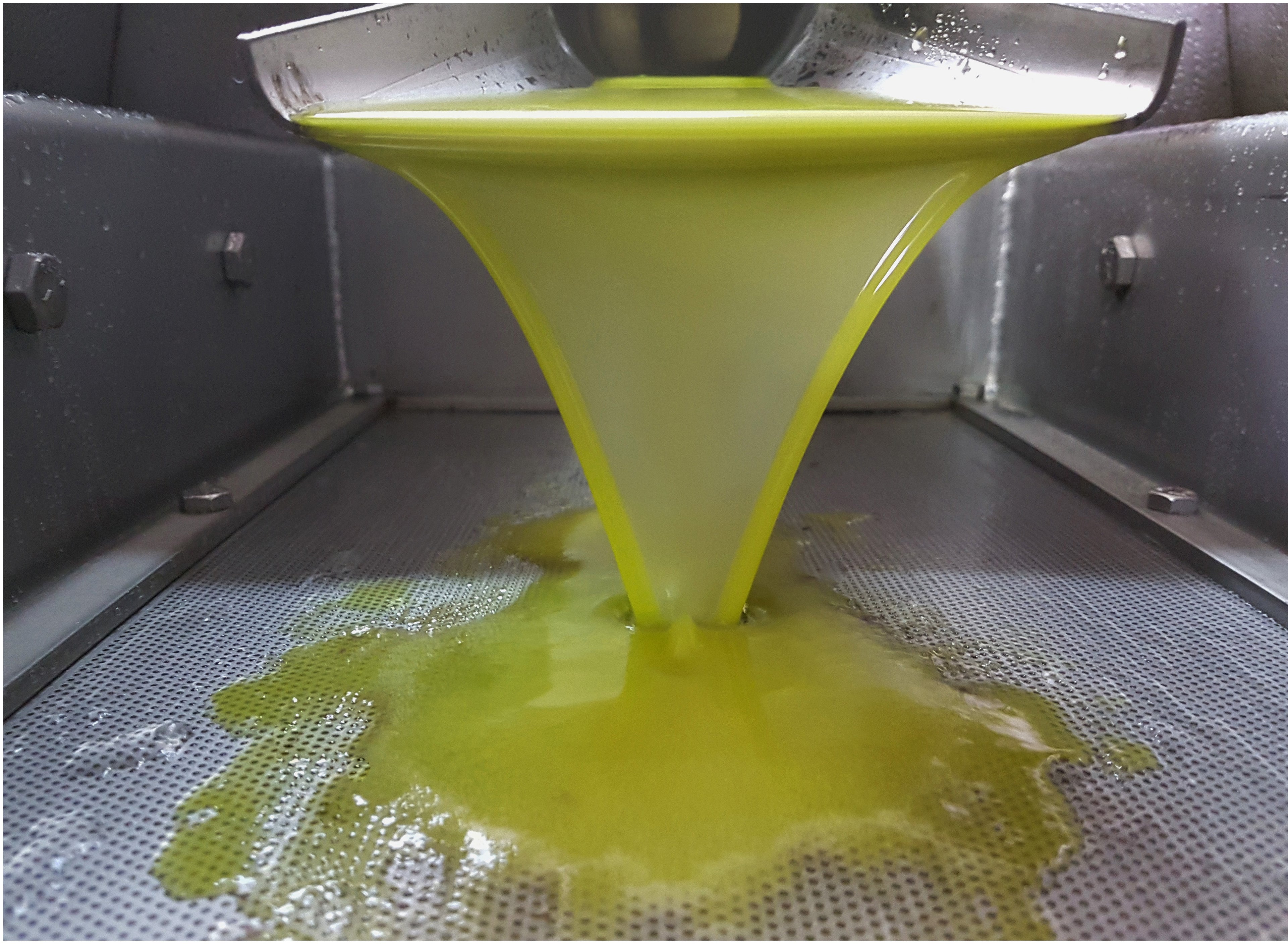
This oil is obtained directly from olives using mechanical procedures; it is directly an olive juice. This oil retains all its nutritional properties and health benefits intact. With a maximum acidity of 0.8% (Deortegas extra virgins have an acidity not exceeding 0.2%), a total absence of defects, and a balanced sensory profile, EVOO is characterized by its high content of monounsaturated fatty acids, fat-soluble vitamins, and antioxidant compounds.
These qualities make it a key ally in cooking and well-being, offering a unique sensory experience and contributing to a healthy diet. Undoubtedly, extra virgin olive oil is a culinary and nutritional treasure.
What are the different varieties of extra virgin olive oil?
There are many varieties of extra virgin olive oil. At Almazara Deortegas, we highly value monovarietal EVOOs, enjoying the sensory experience and culinary versatility each variety offers.
Here we will introduce you to some of the most important ones that are part of our range.
At Deortegas, we cultivate and produce, with great love, five monovarietals and the new SEXTA ESENCIA, a signature coupage, made with three of our varieties.
1 - The Arbequina variety: originating from Catalonia, Spain.
It is distinguished by its softness, delicacy, and fruity profile, with notes of green apple, banana, and almond.
Its smoothness and balance make it an excellent choice for dressing salads, preparing vegetables, and making marinades, where it enhances the natural flavors of the ingredients.
2 - The Picual variety: the most cultivated in Andalusia, Spain.
It is characterized by its great intensity of flavor and its marked green, herbaceous character,
with hints of tomato plant or tomato.
Thanks to its high amount of natural antioxidants (polyphenols), it has a great capacity to withstand high cooking temperatures without losing its qualities.
Picual oil is an ideal choice for frying, roasting, and cooking over fire, being an indispensable ally in Mediterranean cuisine.
3 - The Cornicabra variety: originating from Castilla-La Mancha, Spain.
It is distinguished by its rich nuances, with prominent notes of artichoke, spicy, and bitter flavors that give it a complex and balanced profile.
This oil is appreciated by lovers of intense and evocative flavors, standing out in meat, legume, seafood, and stew dishes.
Also highly valued for its high polyphenol and vitamin content.
4 - The Hojiblanca variety: typical of Córdoba and Malaga, Spain.
It is characterized by its elegance and its distinctive progressive spiciness, with fruity, herbaceous, and even floral notes.
Thanks to its harmonious profile, it can be used both cold and hot, making it a versatile option suitable for a wide range of culinary applications.
5 - The Frantoio variety: originating from Tuscany, Italy.
It is a shamelessly fruity variety, highlighting tropical fruit and nuts. Light and expansive in the mouth with a surprising sweet touch when expressed.
This playful and complex oil is ideal for enhancing the flavors of dishes, whether dressing salads, making mayonnaise, or slow cooking.
6 - The Coupage: is a blend of different olive varieties.
This combination allows for complex and balanced sensory profiles, leveraging the qualities of each contributing variety to offer a complete and enriched sensory experience.
Each of these varieties brings unique nuances that enrich the culinary experience, from smoothness and delicacy to more intense and complex profiles.
Why are there different categories of olive oil?
Mainly due to the production process: whether it's in an oil mill or a refinery.
In an oil mill, the factors determining its quality will be:
- The health of the fruit when it arrives at the mill.
- Cold extraction (processing the oil at a temperature below 27 degrees).
- Acidity level (measures the amount of free fatty acids, which are released when the olive is defective: mishandling during harvest, deteriorated fruits, disease, pests...).
The latter can only be detected through chemical analysis.
The sensory evaluation by an official tasting panel that certifies whether it is a virgin or an extra virgin. Based on this evaluation and the chemical analysis, we will have the official result that will determine the quality of our oil.
The different oil categories would be:
EXTRA VIRGIN OLIVE OIL
- Olive juice made in an oil mill using mechanical processes.
- It has no organoleptic defects and its acidity ranges from 0 to 0.8%, although good EVOOs do not exceed 0.5%.
- It is a natural product that retains all the flavor, aromas, and properties of the fruit.
- Contains beneficial properties.
- They are of the highest quality and essential in our kitchen.
ORGANIC EXTRA VIRGIN OLIVE OIL
- Same description and characteristics as extra virgin, but with the added awareness and benefit that the fruit comes from agriculture that respects nature, resulting in healthy fruits free of harmful chemicals for our health.
- It is an oil with many qualities and properties, undoubtedly the most recommended.
VIRGIN OLIVE OIL
- Also produced in an oil mill, but some negative sensory defect is detected by the official tasting panel.
- Acidity from 0 to 2%.
OLIVE OIL
- It does not come from an oil mill but from a refinery, therefore it is not a juice.
- There, oils unsuitable for human consumption are taken, neutralized by removing their flavor, aroma, and color using various solvents, lye, and chemical processes, from which a neutral fat without color, flavor, or aroma is obtained.
A small percentage of virgin or, if lucky, extra virgin olive oil is added to this fat, which gives it its color and some aroma.
POMACE OIL
- It is obtained from olive pomace (the leftover paste from the oil production process) also in a refinery.
Now we can understand the big differences between oil categories to more consciously choose the type of oil we want in our kitchen.
This diversity allows adapting the oil to different culinary uses, responding to the pursuit of sensory richness and versatility in cooking.
At Almazara Deortegas, we offer a wide range of top-quality and fresh organic extra virgin olive oil varieties.
Discover the excellence of olive oil in our online store and enjoy free shipping to the peninsula.